Early Life and Family Background
Carlos “Carlitos” Páez Rodríguez was born on October 31, 1953, in Montevideo, Uruguay, into a family with a rich cultural and artistic heritage. He is the son of Carlos Páez Vilaró, a renowned Uruguayan artist, and Madelón Rodríguez Gómez, who instilled in him both a deep sense of family loyalty and an appreciation for creativity. Growing up in Montevideo, Páez was surrounded by the vibrancy of his father’s artistic circles, attending art exhibitions and interacting with a network of creative professionals. Despite this creative environment, he developed a strong interest in sports, particularly rugby, and became an active player for the Old Christians Club, one of Uruguay’s most prominent rugby teams. His early experiences fostered a strong sense of teamwork, discipline, and resilience, qualities that would later prove vital in the Andes tragedy.
Education and Early Career
Carlitos attended Stella Maris College, where he excelled academically while maintaining his commitment to rugby. Following his secondary education, he pursued training as an agricultural technician at the Universidad del Trabajo del Uruguay. This early focus on practical work and responsibility provided him with a foundation in problem-solving and adaptability. Before the fateful flight that would mark his life, he was working in agricultural projects, demonstrating a grounded approach to life that balanced his athletic and intellectual pursuits.
The Andes Tragedy: Flight 571
On October 13, 1972, Carlos Páez Rodríguez, then only 18 years old, boarded Uruguayan Air Force Flight 571 with his rugby team and several friends and family members. The flight, traveling from Montevideo to Santiago, Chile, encountered severe weather conditions over the Andes Mountains. Navigational errors and turbulence led to the plane crashing into the mountains at an elevation of over 11,000 feet. The crash killed several passengers instantly, while others survived but faced life-threatening injuries and freezing temperatures.
The survivors, including Carlitos, found themselves stranded in a remote and unforgiving environment with no immediate hope of rescue. Snowstorms, avalanches, and freezing nights made survival nearly impossible. For weeks, the group endured hunger, exposure, and injury, relying on courage and cooperation to sustain each other. Amidst this extreme adversity, they were faced with making morally and emotionally challenging decisions, including the decision to consume the bodies of deceased passengers to survive. This act, while controversial, was a matter of life and death and exemplified the human instinct to endure against all odds.
Carlitos’ Role and Survival
Carlitos, as the youngest survivor, faced a particularly intense emotional and physical ordeal. Buried under an avalanche in the initial days after the crash, he narrowly escaped death and remained in the fuselage with the other survivors. Turning 19 in the Andes, he demonstrated remarkable resilience and leadership potential despite his youth. Over the course of 72 days, he and the other survivors endured extreme hardship until two members of the group embarked on a treacherous journey across the mountains to find help. Their successful expedition led to the alerting of local authorities, culminating in the eventual rescue of the remaining survivors.
This ordeal brought global attention to the human capacity for survival and teamwork. The story of Flight 571 captured the world’s imagination and highlighted Carlitos’ extraordinary endurance and mental strength.
Return to Uruguay and Family Reunions
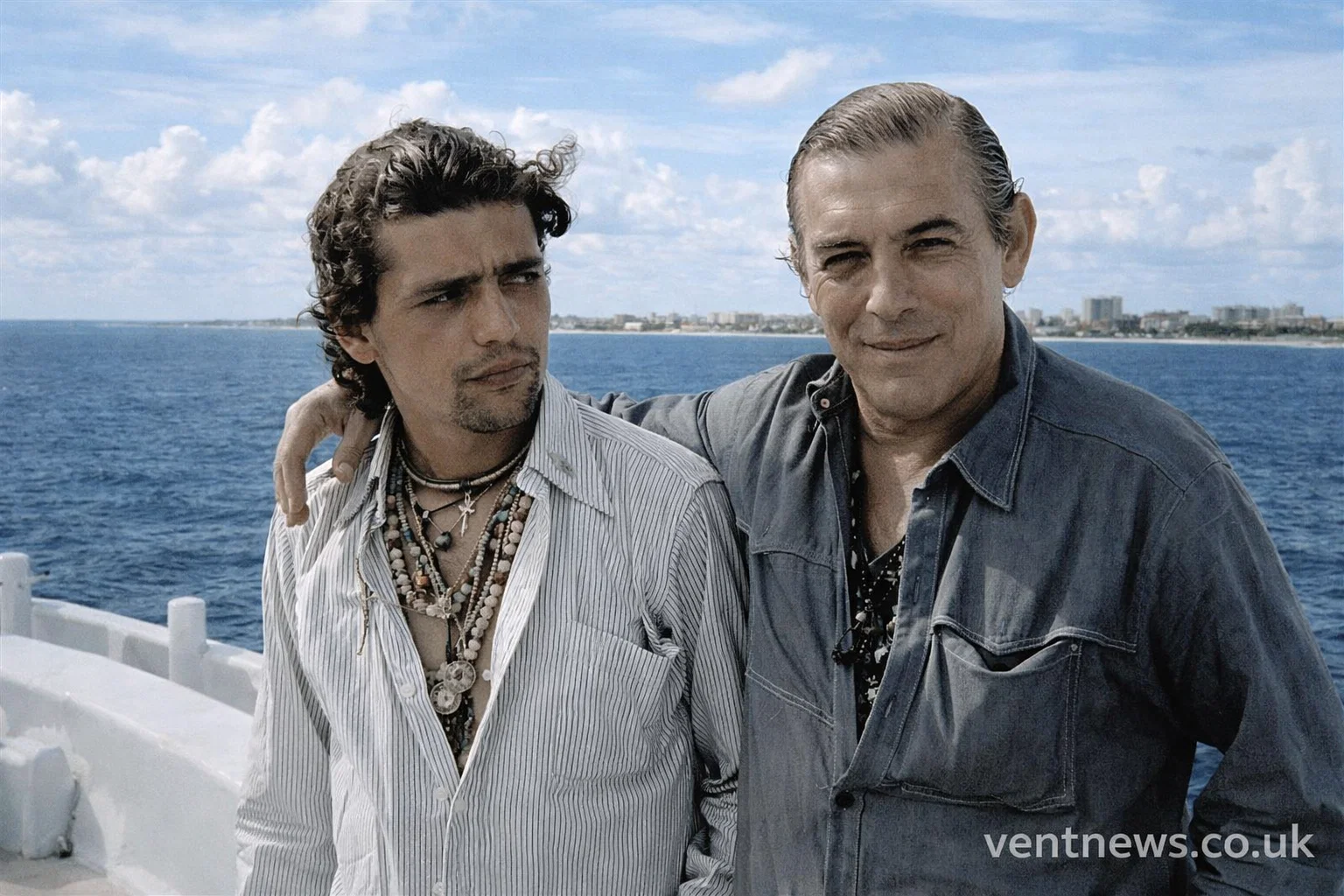
After the rescue, Carlos Páez Rodríguez returned to Uruguay to reunite with his family. His father, Carlos Páez Vilaró, had maintained hope throughout the ordeal, advocating tirelessly for rescue efforts and supporting international attention to the tragedy. The reunion was profoundly emotional, representing not only the survival of a young man but also the culmination of his father’s persistent faith and love. The public embraced the survivors’ story, which became an emblem of endurance, courage, and human solidarity.
Books, Film, and Cultural Legacy
The story of the Andes survivors, including Carlitos, was chronicled in Piers Paul Read’s 1974 book, Alive: The Story of the Andes Survivors. This book detailed the crash, survival strategies, moral dilemmas, and emotional struggles faced by the survivors. Later, the story was adapted into the 1993 Hollywood film Alive, which brought further global recognition to Carlitos’ experience. In subsequent years, Carlitos became an advocate for preserving the historical and human significance of the Andes tragedy, ensuring that the lessons learned would inspire future generations.
In 2023, the story was revisited in the film Society of the Snow (La Sociedad de la Nieve), directed by Juan Antonio Bayona, in which Carlitos Páez Rodríguez portrayed his own father, offering a unique and personal lens on the historical events.
Life After the Andes
After returning to normal life, Carlos Páez Rodríguez channeled his experiences into professional and personal growth. He initially worked in agriculture, applying his technical training, before moving into advertising. He was associated with major advertising agencies, including Nivel-Publicis and Bates Uruguay Publicidad, eventually founding his own agency, Rating Publicidad. His work in advertising showcased his creativity, leadership, and ability to connect with people skills that mirrored the teamwork and resilience he had honed during the Andes survival.
Later, he became a prominent motivational speaker, sharing his story with audiences around the world. His speeches emphasize human resilience, problem-solving, teamwork, and ethical decision-making under extreme conditions. Through this work, he has inspired countless individuals to confront personal challenges with courage and adaptability.
Personal Life and Family
Carlos Páez Rodríguez built a family life marked by love and continuity. He is the father of two children, María Elena de los Andes “Gochi” and Carlos Diego, and a grandfather to three granddaughters: Mía, Justina, and Violeta. His family remains central to his identity, and he often speaks about the importance of connection, support, and mentorship in overcoming adversity.
Legacy of Resilience and Inspiration
Carlos Páez Rodríguez embodies a legacy of resilience, perseverance, and inspiration. His life demonstrates how extraordinary adversity can cultivate extraordinary character, leadership, and insight. The story of Flight 571 serves as a global symbol of human endurance and the power of collective action, while his personal achievements in professional, creative, and motivational domains illustrate the lasting impact of resilience on life’s trajectory.
Through books, films, public speaking, and community engagement, Carlitos has ensured that the lessons of the Andes tragedy endure emphasizing teamwork, moral courage, and the unyielding spirit of survival. His narrative continues to educate, motivate, and inspire, making him an enduring figure not just in Uruguay, but internationally.
Read More: Carlos Páez Rodríguez: The Youngest Survivor of the Andes and His Remarkable Life
Conclusion
The life of Carlos Páez Rodríguez transcends the extraordinary event that first brought him fame. From a young athlete and student to a survivor, entrepreneur, and motivational figure, Carlitos’ story is a testament to human endurance, ethical courage, and personal growth. His ability to transform trauma into inspiration serves as a beacon for all who face challenges, reminding us that even in the harshest conditions, hope, determination, and teamwork can guide humanity toward survival and fulfillment.